
Comparisons1 min read
A steel hangar or a concrete one for your factory?
The difference is not only price — it is build time, clear spans and how easily you extend later. A practical comparison before you decide.
Eng. Ahmed El-Shennawy
Structural engineer · NSCO Construction
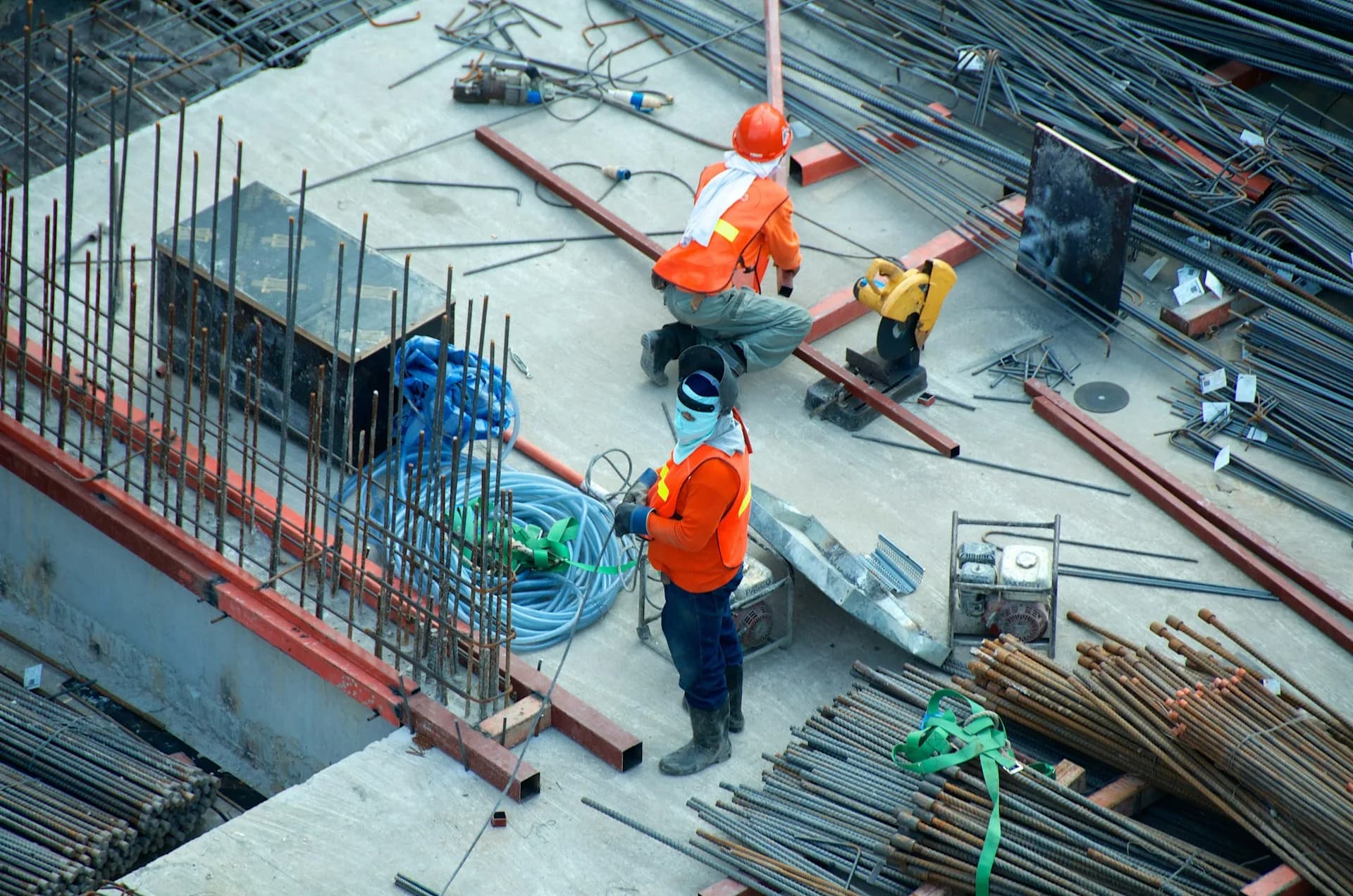
The short answer: steel goes up faster, gives wider clear spans with no columns in the middle, and is far easier to extend later. Concrete wins where there is high heat, large suspended loads, or strict fire requirements.
A quick comparison
| Criterion | Steel hangar | Concrete hangar |
|---|---|---|
| Build time | Clearly faster | Longer |
| Clear span | Wide | Limited |
| Extending later | Easy | Hard and costly |
| Heat resistance | Needs treatment | Better |
| Maintenance | Periodic anti-rust coating | Less |
| Foundation load | Lighter | Heavier |
When should you choose steel?
- You need the factory running as soon as possible
- Production lines need open floor with no columns
- You intend to extend in a later phase
- Soil is weak and the lighter weight saves on foundations
When does concrete suit better?
- Furnaces or high-temperature processes
- Overhead cranes with heavy, repeated loads
- Strict fire requirements for your activity
- A wish to keep routine maintenance to a minimum
What actually sets the price?
Four things: the clear span between columns, the height, roof loads from cranes or suspended equipment, and the foundation system the soil dictates. A wide span and extra height push the steel weight up noticeably, which is why floor area alone is never enough to price a hangar.
Frequently asked questions on this topic
01Is a steel hangar cheaper?
Not always. It wins on build time and foundation weight, but the fair comparison is total cost including foundations, treatments and maintenance.
02How is a steel hangar protected against rust?
By galvanising or a paint system chosen for the operating environment, with periodic checks on connections and damp-exposed areas.
03Can I extend the hangar later?
Yes, if it is designed for extension from the start. Tell us the future plan and we prepare the foundations and frame for it.
Got a plot and want a real number for your project?
Send us the area, the location and the finishing level you have in mind, and we will come back with a preliminary offer within 48 hours.
Related articles

Comparisons1 min read3 August 2026
Turnkey or a bill of quantities? The real difference
The difference is not only in the price, it is in who carries the risk. This guide sets out when each arrangement suits you better.
Read the article
Comparisons1 min read27 July 2026
Piles or a raft? How to choose your building’s foundation
The choice between piles and a raft depends on the borehole report and the building loads — not on the contractor’s opinion. Here is the difference in full.
Read the articleTips1 min read23 August 2026
Cracks in a building: when to worry and when not to
Not every crack is dangerous. Its shape, direction and location tell you whether it is plaster or a foundation problem.
Read the article